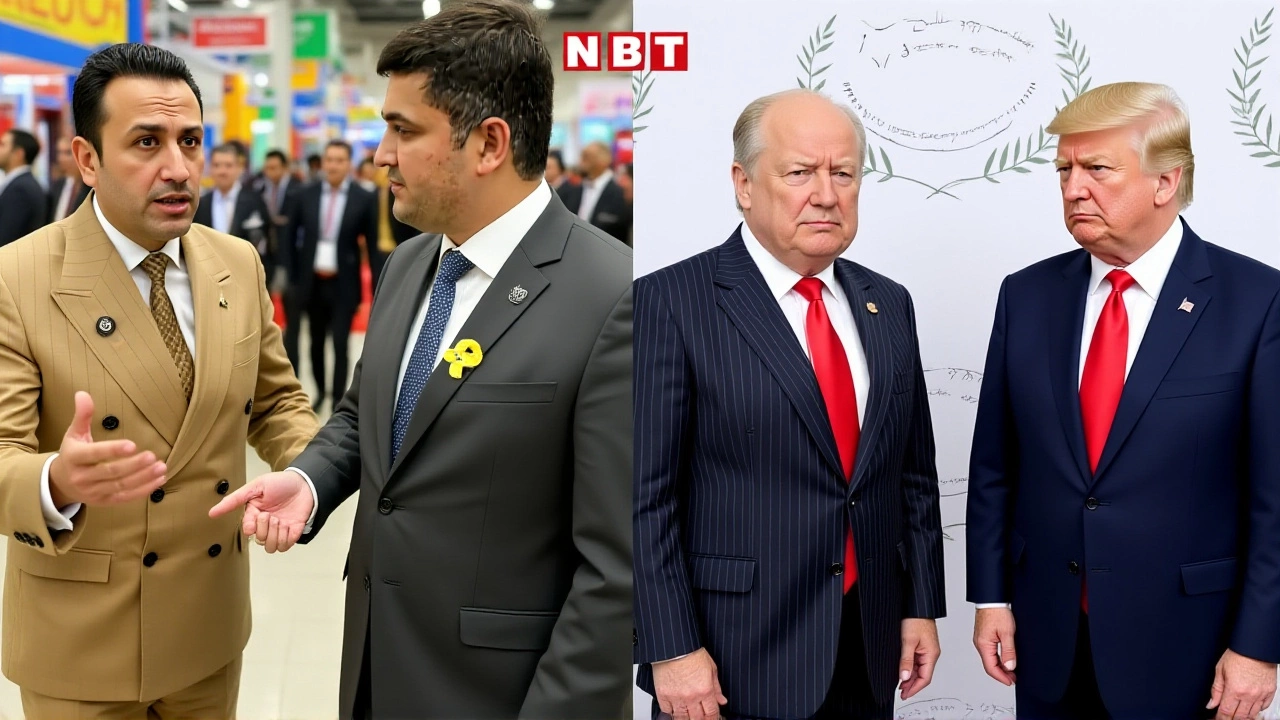
It’s a seismic shift that has regional analysts scratching their heads. Pakistan, a nation that has spent decades publicly opposing Israel, appears to be quietly opening the door to diplomatic normalization. The signal? High-level meetings between Pakistani and Israeli officials in London and New York, suggesting Islamabad might soon join the Abraham Accords.
The twist is stark. For years, Pakistan’s political rhetoric was defined by staunch support for Palestine and public condemnation of Israeli policies. Now, amid shifting geopolitical tides, whispers suggest a pragmatic turn. Is this a betrayal of Muslim solidarity in Gaza, or a cold-eyed strategic calculation?
A Quiet Diplomatic Thaw
Here’s the thing: these aren’t just back-channel rumors anymore. At the recent World Travel Market fair in London, two key figures crossed paths. On one side was Sardar Yasir Ilyas Khan, tourism advisor to Prime Minister Shehbaz Sharif. On the other, Michael Izakov, Israel’s Director General of Tourism.
They met openly. They talked. It wasn’t a secret handshake in a shadowy alley; it was a formal engagement at a major international trade event. This marks a significant departure from the past, where any such contact would have been denied or downplayed. Turns out, when economic interests align, old ideological barriers start to crack.
But wait, there’s more. Earlier this year, during a trip to New York, Shehbaz Sharif himself held talks with Daniel Rosen, president of the American Jewish Congress. This powerful pro-Israel lobbying group has long advocated for closer ties between Washington and Jerusalem. Meeting its head on U.S. soil sends a clear message: Pakistan is listening to voices that favor engagement with Israel.
The Trump Factor and Gaza Reconstruction
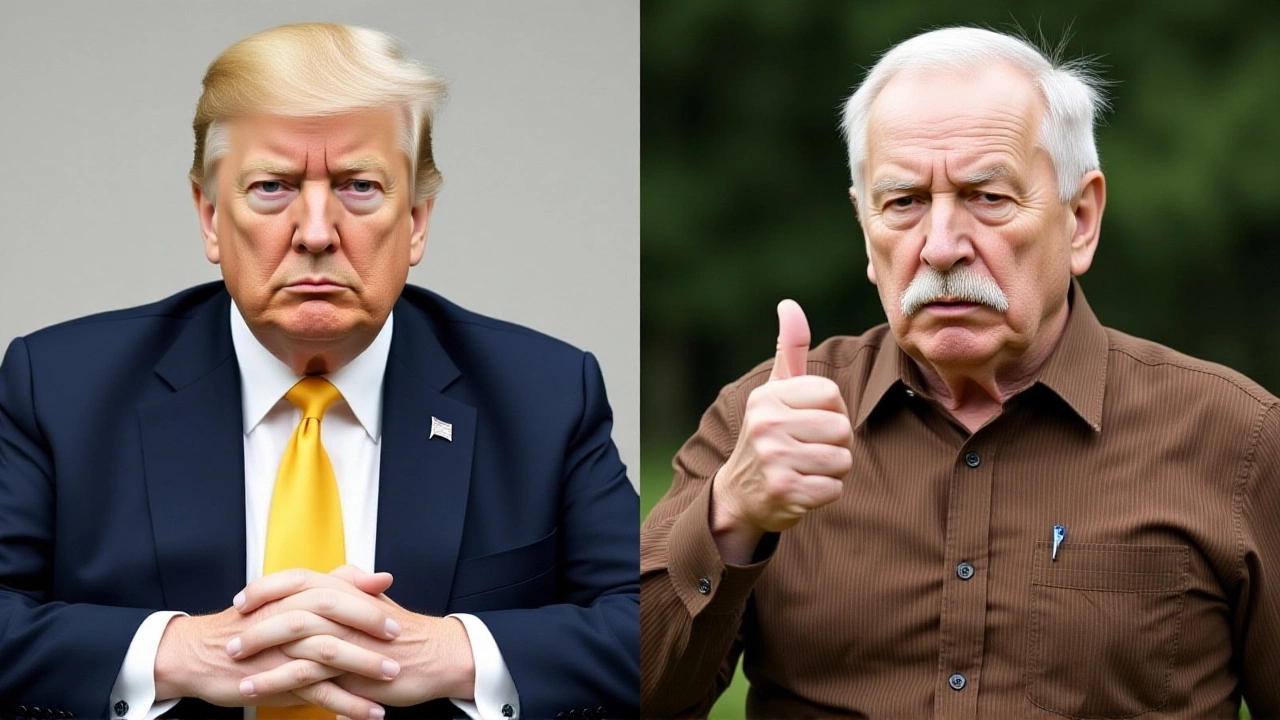
Why now? The timing isn’t accidental. Reports indicate that the former administration of Donald Trump had been pressuring Islamabad to recognize Israel. More importantly, Pakistan seems aligned with Trump’s proposed peace plan for Gaza.
The details are still unclear, but the core elements involve massive reconstruction efforts and the permanent dismantling of Hamas’s military and political structures. If Pakistan supports this framework, it signals a willingness to prioritize stability and economic recovery over ideological purity. It’s a controversial stance, sure, but one that could unlock significant financial aid and diplomatic leverage.
Analysts argue that any move to counter Iranian influence in the region inherently benefits Israel. By potentially joining an anti-Iran axis, Pakistan positions itself as a reliable partner for Western powers and their Middle Eastern allies. It’s classic realpolitik.
India Watches Closely
No story about Pakistan is complete without mentioning its neighbor. India is watching these developments keenly. New Delhi has long maintained strong economic and defense ties with Israel, often using them as a counterweight to Pakistan’s traditional alliances.
If Pakistan joins the Abraham Accords, it levels the playing field in South Asia. India would lose its exclusive advantage in engaging with Tel Aviv on security and agricultural technology. Moreover, a normalized relationship between Islamabad and Jerusalem could complicate India’s own diplomatic maneuvers in the Middle East.
Strategic experts in New Delhi are likely analyzing every move. A Pakistan-Israel rapprochement doesn’t just change maps; it alters the balance of power. It forces India to reconsider its own outreach to Arab nations and its stance on the Palestinian issue.
The Domestic Backlash
Let’s not ignore the elephant in the room: public opinion. In Pakistan, sympathy for Palestinians runs deep. Any government seen as “normalizing” relations with Israel risks severe domestic backlash. Critics label this potential shift as a betrayal of Gaza’s Muslims.
However, governments rarely operate solely on sentiment. Economic pressures, debt crises, and the need for foreign investment drive policy. If recognizing Israel brings tangible benefits—be it trade agreements, technology transfers, or IMF support—the ruling elite may decide the political cost is worth paying.
The question remains: can Shehbaz Sharif sell this pivot to his electorate? Or will the nationalist outcry force a reversal? History shows that Pakistani leadership often walks a tightrope between international pragmatism and domestic populism.
What Comes Next?
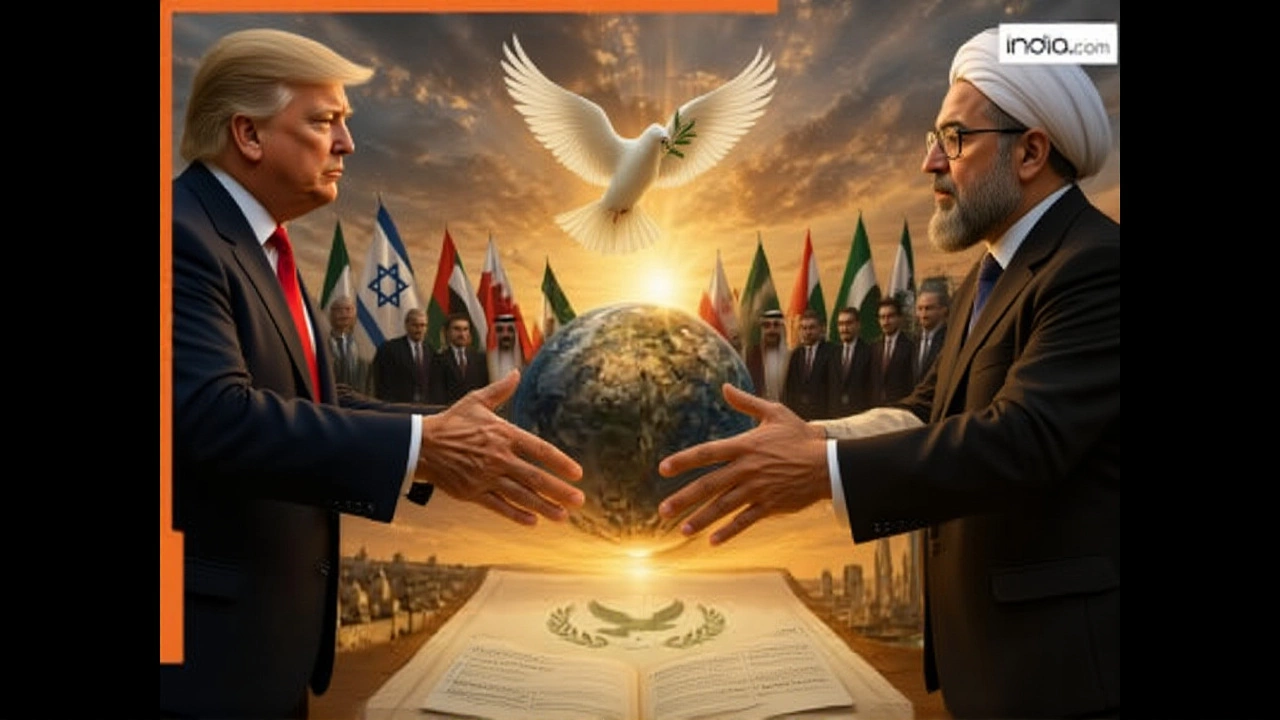
We’re looking at a scenario where Islamabad engages in secret talks with Tel Aviv regarding an “Abraham Accords 2.0.” This expanded framework would welcome new members into the fold of countries recognizing Israel. If Pakistan signs on, it becomes another Islamic nation breaking ranks with the traditional anti-Israel consensus.
The ripple effects could be profound. It might encourage other hesitant nations to follow suit. It could isolate Iran further. And it would mark the end of an era for Pakistan’s foreign policy identity. Whether this is progress or perfidy depends entirely on your perspective.
Frequently Asked Questions
Has Pakistan officially recognized Israel yet?
No, Pakistan has not officially recognized Israel. However, recent high-level meetings between tourism officials in London and contacts with pro-Israel lobbies in New York suggest a warming of relations. These interactions indicate a potential shift toward future recognition, possibly through the Abraham Accords framework, but no formal declaration has been made.
Who were the key figures involved in the London meeting?
The meeting took place at the World Travel Market fair in London. It involved Sardar Yasir Ilyas Khan, who serves as the tourism advisor to Pakistani Prime Minister Shehbaz Sharif, and Michael Izakov, the Director General of Tourism for Israel. Their open dialogue marked a significant departure from previous covert or non-existent official contacts.
Why is Donald Trump mentioned in relation to this shift?
Reports suggest that the Trump administration previously pressured Pakistan to recognize Israel. Additionally, Pakistan appears supportive of Trump’s proposed peace plan for Gaza, which includes reconstruction efforts and the dismantling of Hamas. Alignment with this plan facilitates closer ties with Israel and its key supporters in the United States.
How does India view Pakistan's potential move toward Israel?
India is reportedly watching the situation "keenly." New Delhi has long enjoyed strong ties with Israel, using them as a strategic counterbalance to Pakistan. If Pakistan normalizes relations, India loses its exclusive advantage in the region. This development forces India to reassess its own diplomatic strategies in the Middle East and South Asia.
What is the "Abraham Accords 2.0" reference?
This refers to speculation that an expanded version of the original Abraham Accords is being negotiated. The goal is to bring additional countries, including potentially Pakistan, into a framework that recognizes Israel and establishes diplomatic ties. Such a move would significantly alter the geopolitical landscape of the Middle East and South Asia.